

Summer Break: A University’s Strategic Window to Upgrade Its Network Before the New Academic Year
As summer arrives, thousands of students, faculty, and researchers wrap up the academic year and head into a season of rest and downtime. For technology leaders and the teams responsible for university infrastructure, however, this is the most important stretch of the year, the window that determines whether the next academic year starts smoothly.
For modern, tech-driven universities, connectivity is non-negotiable. The campus network has evolved from a simple support service into strategic infrastructure that directly shapes research output, the student experience, security, academic productivity, and institutional reputation.
As technology advances, bandwidth demand grows every year, new digital applications emerge, cybersecurity requirements become stricter, and more connected devices join the campus network. Given all this, the smartest strategy is to use the summer break to run network modernization projects, prepare the infrastructure for future demand, expand wireless coverage, and strengthen security. Skipping this work can trigger a cascade of problems once the academic year is in full swing problems that hurt the institution at the worst possible time.
The Campus Network: Critical Infrastructure for the Academic Experience
Digital transformation has raised the bar for connectivity at universities serving thousands of users. Today’s campus network has to reliably support:
- Digital libraries
- AI applications
- Virtual learning platforms
- Virtual labs
- IoT devices
- Building automation solutions
- Videoconferencing systems
- Cloud-based collaboration tools
- Academic management systems
- Video surveillance and security systems
On top of that, most university students connect from multiple devices at the same time.
The Student Digital Experience Directly Shapes How They See the University
We’re living in a moment where everyone is connected, and university students — advanced digital users by default — expect even more. They want fast, stable connectivity available anywhere on campus. If they run into slow applications, login or authentication issues, trouble accessing digital resources, or frequent network drops, their perception of the university turns negative almost immediately — and that reflects on more than just the IT department; it affects the institution’s overall image.
Technology infrastructure has become a core value proposition for universities competing to attract and retain students year after year.
Why Summer Is the Right Time to Upgrade the Network
Validation and optimization
Doing this work during the low-traffic months gives universities room to:
- Optimize performance
- Run load simulations
- Validate configurations
- Resolve outstanding issues
- Fine-tune security policies
- Run coverage testing
That way, when students, faculty, and staff return to campus, the infrastructure has already been validated and optimized to perform reliably all year.
Physical work on campus
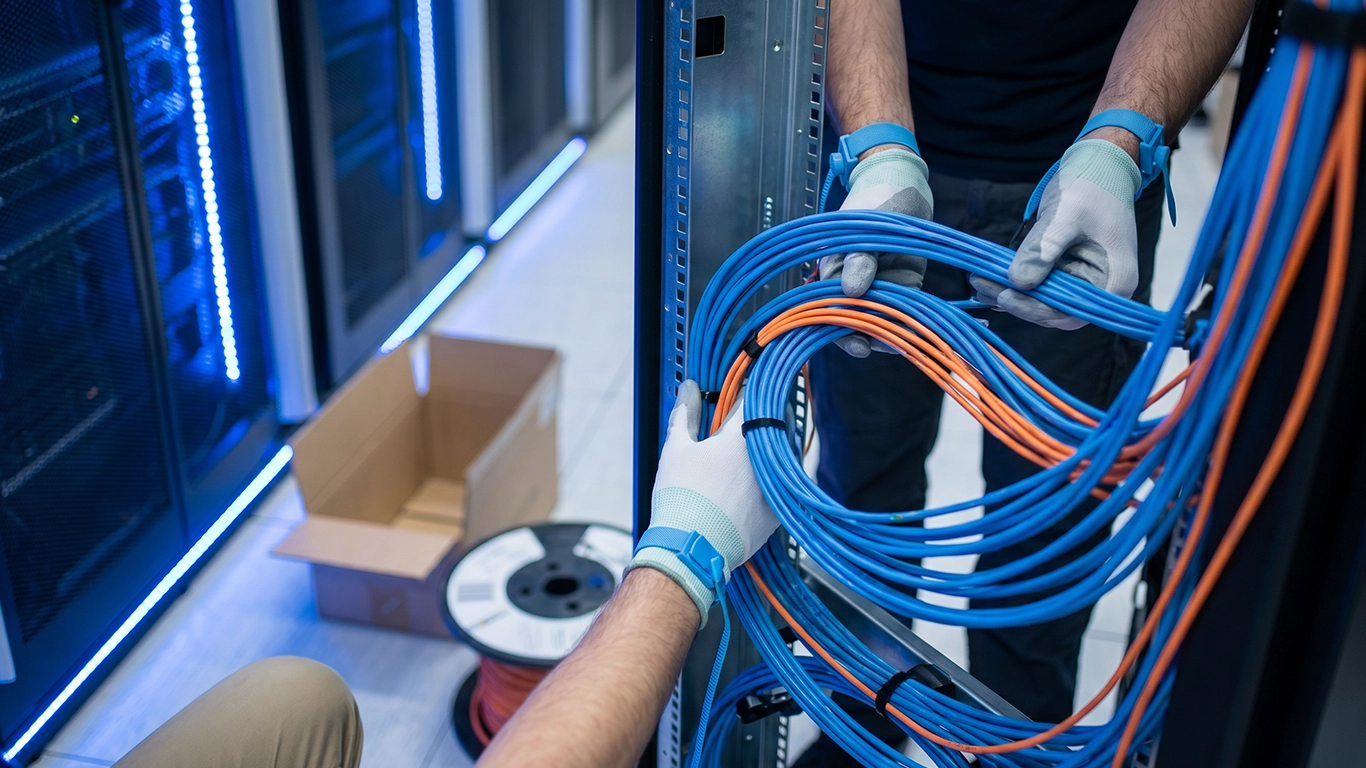
With fewer people on campus, IT teams can carry out work that would be far more disruptive during the semester, such as:
- Upgrading data centers
- Working inside classrooms
- Running new cabling
- Replacing aging equipment
- Working in libraries
- Upgrading student housing
With fewer people moving through the facilities, technical teams can work more efficiently and safely.
Minimal disruption to academic activity
Carrying out infrastructure upgrades while classes are in session can seriously disrupt course schedules, exams, key administrative processes, institutional events, and ongoing research.
Summer makes it possible to take on complex projects with minimal impact on the university community.
What Happens If the Network Upgrade Doesn’t Happen?
There’s a hidden cost when institutional leaders decide to skip the summer network upgrade. Outdated networks generate costs that far exceed the price of modernizing them. Some of the issues that tend to surface include:
- Longer support response times
- Lower satisfaction among students, faculty, and staff
- Higher security risk
- More frequent technical incidents
- Limited ability to roll out new digital initiatives
- Lost productivity
The longer infrastructure goes without an upgrade, the higher operating costs climb — and the institution’s capacity to innovate shrinks right along with it.

Summer Is Now a Competitive Advantage for Universities
Institutions that treat summer as the ideal moment to modernize their technology infrastructure start the new academic year with a real edge. Beyond delivering a better digital experience for students and faculty, they strengthen their security posture, improve operational efficiency, and build a solid foundation for future digital transformation initiatives.
At a time when technology plays a central role in higher education, network innovation and renewal stop being just a technical project they become a strategic decision.
Universities that plan ahead and partner with infrastructure and networking specialists to execute these upgrades get the most out of this window of opportunity. Organizations like JT Tech Global specialize in designing, modernizing, and deploying high-performance networks for complex environments such as universities, organizations, and enterprises acting as a strategic partner with a proven track record of delivering critical projects successfully.
Por JT Tech
IT Solutions – WiFi
Related Resources

Transforming Sports & Public Venues: Connectivity to Actionable Insights
When attending a game or event, guests expect a fast and stable mobile experience. This baseline goal has grown and evolved substantially, as more customer-facing and back-of-house assets are digitized in venue environments, relying on critical IT network solutions...

ArcelorMittal Improves IT Performance and Reliability Across Three European Corporate Hubs
ArcelorMittal is the world's leading steel and mining company with a presence in 60 countries and an industrial footprint in 19 countries worldwide. It employs over 4,000 staff, 800 of whom are based in its head office in Luxembourg. It employs over 4,000 staff, 800...

MSK Group is Ready for Tomorrow With Modernized Network
MSK Group is a family-owned business based in Ylihärmä, Finland. For more than 70 years, it has been manufacturing high-quality plastic components, mobile machinery, and smart cabins for a range of industries, including construction, mining, agriculture, forestry, and...

Digital Transformation Efforts Powered by Network Automation, Simplicity, Security, and Intelligence
ŠKODA AUTO, based in Mladá Boleslav, is a leading industrial enterprise in the Czech Republic and one of the oldest carmakers in the world. Today, ŠKODA AUTO employs over 30,000 people, operating as part of the Volkswagen Group for nearly 30 years. In recent years,...

Streamlining the Kraft Group’s Manufacturing Operations
The Kraft Group is a privately held holding company headquartered in Massachusetts. It is the holding company for several subsidiaries operating in various sectors, including manufacturing and sports. Extreme Networks has partnered with the Kraft Group for over a...

Extreme Networks meets Major League Baseball™ at the intersection of Cloud, Mobility, and Analytics.
From the concourse to the dugouts and beyond — Extreme Networks is coming to a ballpark near you.CLOUD-SPEED Baseball and technology require agilityand flexibility without losing functionality. MOBILITY Mobile and IoT Devices are integral toplayer and fan experience....

Seattle Seahawks Achieve Operational Freedom with Cloud-Managed Wi-Fi
Lumen Field is a world-class football/soccer stadium and exhibition center, home to the Seattle Seahawks. The 325,000 sq. ft. complex seats 70,000+ and hosts a wide variety and volume of events each year from trade shows, corporate events, concerts, and more, making...

MLB All-Star Week Drives Record Wi-Fi Fan Engagement
MORRISVILLE, N.C.--(BUSINESS WIRE)--Jul. 18, 2023-- Extreme Networks™, Inc .(Nasdaq: EXTR), a leader in cloud networking, today announced that the recent MLB All-Star Week in Seattle, which ran fully on Extreme wireless solutions, drove record fan Wi-Fi engagement...

Baylor Outfits New Stadium with Professional Grade Wi-Fi for an Interactive Fan Experience
McLane Stadium is the home football stadium of Baylor University, a private higher education institution located in Waco, Texas. Devoted to delivering an exceptional gameday experience to its fans, in the fall of 2012 Baylor University embarked on a $260 million...

Always On” High-Density Wi-Fi and Analytics for Stadiums and Arenas
Fans everywhere want to share their sports experience and excitement with other fans in the stadium, their friends and family at home, and their social networks, providing reliable, wireless internet access was crucial to delivering a world-class fan...